Choosing the Right Floral Fox Illustration for Your Creative Projects
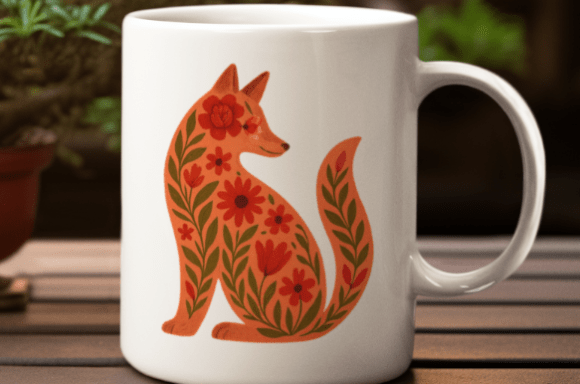
The appeal of a Floral Fox Illustration lies in its unique ability to blend the wild, untamed spirit of nature with the delicate, structured beauty of botanical art. When you encounter a beautifully crafted folk-art style illustration of a fox, filled with intricate floral patterns in warm earthy tones, it does more than just decorate a space; it tells a story of harmony between fauna and flora. For designers, homeowners, and content creators, selecting the right piece is not merely about aesthetics—it is about ensuring the artwork serves its intended purpose without compromising on quality or legal safety.
However, the surge in popularity of nature-inspired designs has flooded the market with options that vary wildly in quality and usability. Many buyers and creators make avoidable errors when sourcing these images, leading to frustration, wasted budgets, and subpar final products. Understanding what to look for—and what to avoid—is essential for anyone looking to integrate this specific artistic style into their work.
Misunderstanding Resolution and Scalability
One of the most common pitfalls when downloading or purchasing digital art is ignoring the technical specifications regarding resolution. A Floral Fox Illustration often features fine details—tiny petals, leaf veins, and textured fur patterns. If you acquire a low-resolution file intended for web thumbnails and attempt to print it on a large canvas or poster, the result will be pixelated and blurry. This destroys the intricate charm that defines the folk-art style.
The Fix: Always check the DPI (dots per inch) and dimensions before purchasing. For print projects, ensure the file is at least 300 DPI at the desired print size. For digital use, such as website headers or social media graphics, 72 DPI is standard, but vector files (SVG, EPS, or AI) are superior because they can be scaled infinitely without losing quality. If the seller does not specify these details, ask before buying. A high-quality illustration should remain crisp whether it is the size of a business card or a wall mural.
Overlooking Color Profile Compatibility
Another frequent oversight involves color profiles. The warm earthy tones mentioned in the description of a typical floral fox design—think burnt oranges, deep greens, and muted browns—can look drastically different on screen versus in print. Many beginners download files in RGB (Red, Green, Blue) format, which is optimized for screens, and then try to print them. Printers use CMYK (Cyan, Magenta, Yellow, Key/Black). Without proper conversion, those vibrant, warm hues can appear dull, muddy, or shifted in tone.
The Fix: If your end goal is physical merchandise, such as tote bags, mugs, or framed art, request or convert the file to CMYK. Professional illustrators often provide both versions. If you are unsure, ask the creator if their file is print-ready. This small step ensures that the harmonious artistic representation you fell in love with online translates accurately to the physical world.
Neglecting Licensing and Usage Rights
Perhaps the most critical mistake involves licensing. It is easy to assume that once you buy a digital download, you own the image completely. This is rarely the case. Most Floral Fox Illustrations sold on stock platforms or by independent artists come with specific licenses. A "Personal Use" license means you can print it for your home, but you cannot sell t-shirts featuring that fox. A "Commercial Use" license may allow you to sell products, but often with restrictions on print runs or attribution requirements.
Using an image beyond its licensed scope can lead to copyright strikes, legal fees, and the removal of your products from marketplaces. For entrepreneurs and small business owners, this risk is unacceptable.
The Fix: Read the license agreement carefully. Look for terms like "Extended Commercial License" if you plan to mass-produce items. If you are a marketer creating an ad campaign, ensure the license covers digital advertising. When in doubt, contact the artist directly. Many creators are willing to negotiate custom licenses for specific projects, which builds a positive professional relationship and ensures you are fully covered.
Ignoiring Style Consistency in Branding
For bloggers and brand creators, consistency is key. A folk-art style illustration has a distinct vibe: rustic, handcrafted, and organic. Placing a highly detailed, realistic floral fox next to modern, minimalist geometric graphics can create visual dissonance. Some users make the mistake of choosing an illustration solely because it is popular, without considering how it fits into their existing visual identity.
The Fix: Evaluate the illustration within the context of your broader design system. Does the warmth of the earthy tones complement your brand palette? Do the intricate floral patterns align with your level of visual complexity? If your brand is sleek and corporate, a whimsical folk-art fox might confuse your audience. However, if you are in the wellness, education, or artisanal sectors, this style can enhance your message of natural harmony and creativity.
Failing to Verify Artistic Integrity
With the rise of AI-generated art, many images labeled as "handcrafted" or "folk-art style" are actually algorithmically produced. While there is nothing inherently wrong with AI art, misrepresentation is a problem. AI-generated images often contain subtle errors—extra toes on the fox, asymmetrical flower petals that defy biology, or nonsensical leaf structures. These anomalies can detract from the professionalism of your project, especially if viewed closely by a discerning audience.
The Fix: Zoom in. Examine the details of the Floral Fox Illustration. Are the floral patterns logical? Do the leaves flow naturally from the stems? Is the fox’s anatomy plausible within the stylized context? Human-created folk art typically has intentional stylistic choices, whereas AI artifacts often look like glitches. Supporting human artists also ensures you are investing in genuine craftsmanship, which adds value and authenticity to your narrative.
Practical Steps for Selection
To ensure you make the best choice for your needs, follow this checklist before finalizing your decision:
- Define your use case: Is it for personal decor, a client project, or commercial merchandise? This dictates the license you need.
- Check the file formats: Ensure you receive high-resolution PNGs or JPEGs for raster needs, and SVGs or EPS files for scalability.
- Inspect the details: Look for clarity in the intricate floral patterns and ensure the warm earthy tones are balanced and not overly saturated or dull.
- Review the artist’s portfolio: Consistency in quality suggests reliability. Look for other nature-inspired designs to see if their style matches your vision.
- Test print a sample: If possible, print a small section to verify color accuracy and sharpness before committing to a large run.
Incorporating a Floral Fox Illustration into your creative projects can elevate your design with its harmonious blend of wildlife and botany. By avoiding common mistakes related to resolution, color, licensing, and style consistency, you ensure that the final result is not only visually stunning but also professionally sound. Take the time to evaluate your options critically, and you will find that this artistic representation becomes a valuable asset in your creative toolkit.