Hand Drawn Wedding Elements Collection
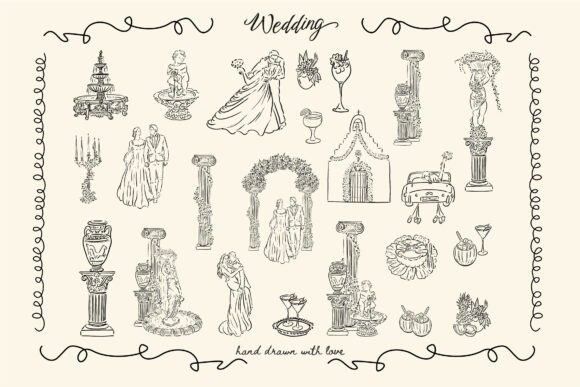
The charm of a wedding often lies in the details that feel personal, intimate, and distinctly human. In an era where digital perfection is just a click away, there is a growing appreciation for the imperfections and warmth found in hand-drawn art. The Hand Drawn Wedding Elements Collection taps into this desire, offering a suite of SVG graphics that bring a sketch-like authenticity to modern design projects. Unlike rigid vector shapes or stock photography that can feel sterile, these elements possess a friendly style with clean lines and vibrant colors that invite customization. Whether you are a professional graphic designer, a small business owner creating branding materials, or a hobbyist planning your own nuptials, this collection serves as a versatile foundation for expressive creativity.
What makes this specific set of assets particularly valuable is its format. Delivered in SVG (Scalable Vector Graphics), these illustrations maintain their crispness regardless of how much you scale them. You can shrink a floral wreath down for a favor tag or enlarge it for a backdrop banner without losing a single pixel of quality. This technical flexibility pairs perfectly with the artistic style, which balances seasonal motifs with emotional resonance. The collection is not just about drawing pretty pictures; it is about providing the building blocks for stories. From educational materials teaching children about family traditions to decorative headers on a wedding blog, the applications are as varied as the users themselves.
Unlocking Creative Possibilities Across Formats
When working with the Hand Drawn Wedding Elements Collection Set, the primary goal should be adaptation. These graphics are designed to be mixed, matched, and modified. Because they are vector-based, you have full control over stroke weight, color palettes, and composition. This level of control allows creators to ensure consistency across different platforms. For instance, a marketer might use the same hand-drawn ring icon on a social media post, a website favicon, and a printed newsletter, adjusting the complexity of the line work for each medium while keeping the brand identity intact.
Consider the following practical approaches to integrating these elements into your workflow:
- Print Media: Use the high-resolution capabilities of SVGs for physical items like invitations, save-the-dates, and menu cards. The hand-drawn aesthetic adds a tactile feel even before the paper is touched.
- Digital Design: Incorporate the vibrant colors into web headers, email signatures, or digital planners. The clean lines ensure they load quickly and look sharp on retina displays.
- Craft Projects: Crafters can import these files into cutting machine software to create stencils, vinyl decals, or iron-on transfers for bridal party gifts.
- Educational Content: Educators and publishers can utilize the friendly style to create approachable guides on wedding planning etiquette or relationship advice, making dense information feel more welcoming.
The key to success with these assets is to avoid using them "out of the box" without thought. While they are beautiful as-is, their true potential is realized when they are tailored to fit a specific theme. If you are designing for a rustic autumn wedding, adjust the color palette of the leaves and flowers to include burnt oranges and deep browns. For a spring celebration, shift towards pastels and lighter greens. This simple act of recoloring transforms a generic asset into a bespoke design element.
Tailoring Styles for Different Audiences
Different audiences respond to visual cues in unique ways. A corporate event planner looking for wedding vendor resources needs clarity and professionalism, while a couple planning a bohemian elopement might prioritize whimsy and emotion. The Hand Drawn Wedding Elements Collection is broad enough to serve both, provided the designer understands how to frame the visuals.
For entrepreneurs and freelancers selling wedding services, these graphics can soften a brand image that might otherwise feel too transactional. A wedding photographer could use a hand-drawn camera icon alongside their logo to suggest an artistic, documentary approach rather than a stiff, studio style. Similarly, a florist might use the botanical elements from the set to create price lists that feel like garden sketches, reinforcing the natural origin of their products.
On the other hand, bloggers and content creators can use these elements to break up text and keep readers engaged. Long-form articles about budget planning or venue selection can feel daunting. Inserting a relevant, colorful illustration every few hundred words provides a visual rest stop, improving readability and retention. The friendly style of the collection ensures that these interruptions feel helpful rather than distracting.
Maintaining Clarity and Organization
With such a versatile toolkit, it is easy to fall into the trap of over-designing. When you have access to dozens of cute icons and decorative borders, the temptation is to use them all. However, effective design relies on restraint. To keep your results clear and audience-friendly, establish a visual hierarchy before you begin dragging and dropping elements.
Start by selecting a primary motif from the collection—perhaps a specific type of flower or a particular style of lettering—and use it as your anchor. Limit your secondary elements to two or three complementary shapes. This creates a cohesive look that feels intentional rather than cluttered. Furthermore, ensure that your color choices align with the emotional tone of the project. Vibrant colors are excellent for celebrating joy and energy, but if the context requires solemnity or elegance, consider muting the saturation or using the line art in monochrome.
Organization is also crucial when managing these files. Since the collection comes in SVG format, keep your layers named and grouped logically within your design software. This practice saves time when you need to make quick adjustments for different clients or platforms. It also ensures that if you hand off files to a printer or a developer, they can easily navigate the artwork without breaking the design.
Real-World Applications and Inspiration
To visualize the impact of this collection, imagine a small stationery business launching a new line of wedding journals. By incorporating the hand-drawn elements as chapter dividers and page decorations, the product instantly gains a unique character that distinguishes it from mass-produced competitors. The owner can market these journals not just as notebooks, but as keepsakes, leveraging the emotional connection people have with hand-crafted aesthetics.
Alternatively, consider an educator developing a workshop series on "The Art of Celebration." They could use the graphics to create slide decks and handouts that feel inviting and creative, encouraging participants to think outside the box. The versatility of the SVG format means these materials can be projected on large screens or printed as takeaway guides without any loss in fidelity.
Ultimately, the value of the Hand Drawn Wedding Elements Collection lies in its ability to bridge the gap between professional polish and personal touch. It empowers users to create work that feels authentic and grounded. Whether you are refining a brand identity, crafting a heartfelt invitation, or designing educational resources, these tools provide the freedom to express ideas clearly and beautifully. By approaching these assets with a strategy focused on adaptation and consistency, you can produce work that resonates deeply with your intended audience, proving that in design, the human touch remains irreplaceable.