Strategic Visual Assets: Leveraging Stained Glass Fountain Clipart for Brand Depth and Creative Versatility
In the crowded digital marketplace, visual consistency is not merely an aesthetic preference; it is a fundamental component of brand recognition and customer trust. For entrepreneurs, designers, and content creators, the selection of graphic assets requires a balance between artistic appeal and functional utility. Stained Glass Fountain Clipart represents a specific niche within digital design resources that offers more than just decorative value. It provides a structured, high-resolution visual element capable of conveying themes of tranquility, spirituality, and elegance. Understanding how to integrate such specific imagery into broader creative projects can significantly enhance the perceived value of physical products, digital publications, and marketing materials.
The Strategic Value of Niche Imagery in Design
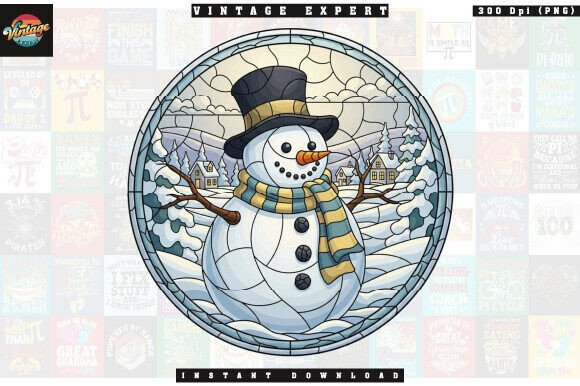
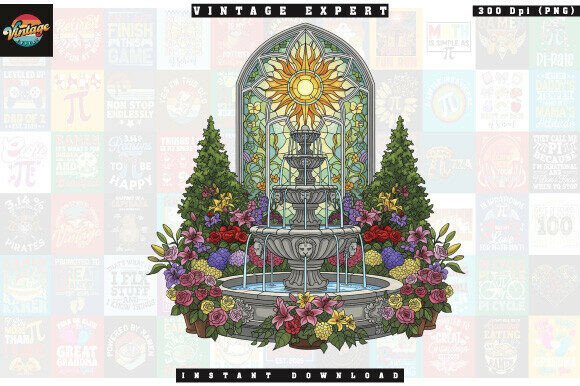
Generic stock photography often fails to capture the nuanced emotional tone required for specialized markets. When a brand or creator opts for Stained Glass Fountain Clipart, they are making a deliberate choice to evoke a sense of timeless beauty and intricate craftsmanship. This type of imagery, characterized by its bold lines, vibrant color segmentation, and symbolic motifs like lush florals and pine trees, serves as a powerful communication tool. It signals to the audience that the associated product or content is thoughtful, curated, and distinct from mass-produced alternatives.
The utility of this clipart extends beyond simple decoration. In strategic planning for product lines, such as Print on Demand (POD) ventures, the choice of imagery directly influences target audience engagement. A design featuring a glowing sunburst window and a decorative fountain appeals to demographics interested in mindfulness, garden aesthetics, spiritual wellness, and classic artistry. By aligning visual assets with these psychographic profiles, creators can improve conversion rates and foster deeper connections with their customers. The key lies in recognizing that the image is not just a picture; it is a signal of quality and intent.
Technical Specifications and Their Impact on Quality
The effectiveness of any digital asset is contingent upon its technical integrity. High-quality Stained Glass Fountain Clipart must meet rigorous standards to ensure versatility across various media. The primary specification to consider is resolution. A file rendered at 300 DPI (dots per inch) is essential for professional printing. This resolution ensures that when the image is applied to physical products—such as t-shirts, mugs, tumblers, or pillows—the lines remain crisp, and the colors do not pixelate or blur. Low-resolution images may appear acceptable on a screen but fail dramatically in print, damaging brand credibility.
Furthermore, the file format plays a critical role in workflow efficiency. A transparent background, typically provided in PNG format, allows for seamless integration into diverse design layouts. Without a transparent background, designers would need to spend additional time manually removing white or colored boxes around the image, a process that is both time-consuming and prone to errors. With a pre-transparented PNG, the Stained Glass Fountain Clipart can be layered over any background color or texture, from pastel planner pages to dark-themed wedding invitations, maintaining its visual integrity without additional editing.
Applications Across Industries and Products
The versatility of this specific clipart style allows for application across a wide spectrum of industries. For educators and publishers, these images serve as excellent resources for coloring pages. The distinct sections created by the "stained glass" effect provide clear boundaries for coloring, making them ideal for both children’s activity books and adult mindfulness coloring journals. This dual appeal expands the potential market reach, allowing a single asset to serve multiple demographic segments.
In the realm of event planning and stationery, the elegant nature of the fountain and floral motifs makes this clipart suitable for wedding invitations, save-the-date cards, and spiritual retreat brochures. The imagery conveys a sense of celebration and serenity, aligning perfectly with events focused on union, reflection, or natural beauty. For small business owners creating branded merchandise, the same file can be sublimated onto ceramics or fabrics, creating cohesive product lines that reinforce brand identity through consistent visual themes.
Digital planners and sticker enthusiasts also benefit from high-resolution clipart. The intricate details of pine trees and glowing sunbursts add a layer of sophistication to digital organization tools. When used in stickers, the clean lines ensure that cut files generated from the image are precise, reducing waste and improving the final product's appearance. This cross-industry applicability demonstrates why investing in high-quality, versatile assets is a sound business decision.
Risk Management and Intellectual Property Considerations
While the creative potential of Stained Glass Fountain Clipart is vast, it is imperative to operate within the bounds of legal and ethical usage guidelines. Most digital downloads come with specific terms of use that distinguish between personal and commercial rights. Typically, commercial use allows for the incorporation of the image into end products that are sold, such as printed t-shirts or framed art. However, it strictly prohibits the resale or redistribution of the digital file itself. Understanding this distinction is crucial for avoiding legal complications and respecting the intellectual property rights of the creator.
Creators must also be aware of the limitations of digital representation. Colors displayed on monitors can vary significantly from printed outputs due to differences in screen calibration, printer technology, and material absorption. For instance, the vibrant hues of the stained glass effect may appear differently on a cotton t-shirt versus a ceramic mug. Proactive management of these expectations involves ordering samples before large-scale production runs and providing accurate product descriptions to customers. This approach minimizes returns and enhances customer satisfaction by ensuring that the final product aligns with buyer expectations.
Strategic Implementation for Long-Term Brand Building
To maximize the return on investment from digital assets, creators should adopt a strategic approach to implementation. Rather than using Stained Glass Fountain Clipart in isolation, consider how it complements existing brand elements. Does the color palette of the fountain and florals align with your brand’s primary colors? Can the spiritual or natural themes of the image support your brand’s narrative? Integrating these assets into a cohesive visual strategy strengthens brand recall and creates a more professional market presence.
Additionally, consider the longevity of the design. Trends in graphic design fluctuate, but classic motifs like fountains, nature scenes, and stained glass styles possess enduring appeal. By choosing timeless imagery, businesses can reduce the frequency of design updates and maintain a consistent brand image over years. This stability is valuable for building long-term customer loyalty and reducing the operational costs associated with constant content creation.
Decision-Making Framework for Asset Selection
When evaluating whether Stained Glass Fountain Clipart is the right choice for a project, consider the following factors:
- Audience Alignment: Does the target audience resonate with themes of nature, spirituality, or classic elegance?
- Technical Compatibility: Is the 300 DPI resolution sufficient for the intended print medium?
- Licensing Clarity: Do the terms of use permit the specific commercial applications planned?
- Brand Consistency: How does this image fit within the broader visual identity of the brand?
By answering these questions, creators can make informed decisions that support their strategic goals. Randomly selecting images without context often leads to disjointed branding and inefficient resource allocation. Intentional selection, grounded in an understanding of both the asset’s capabilities and the project’s objectives, yields superior outcomes.
Conclusion
The integration of high-quality digital assets like Stained Glass Fountain Clipart into creative and commercial projects is a strategic decision that impacts brand perception, operational efficiency, and customer engagement. By prioritizing technical quality, adhering to licensing terms, and aligning visual choices with broader business goals, creators can leverage these resources to build meaningful and lasting connections with their audiences. In a landscape where visual communication is paramount, the thoughtful application of elegant, versatile imagery remains a cornerstone of successful design strategy.