Minimalist Flower Silhouette Design: A Practical Guide for Creators
In the evolving landscape of digital art and graphic design, minimalist flower silhouette design has emerged as a staple resource for both professional designers and hobbyists. This aesthetic approach strips away complex textures and gradients, focusing instead on clean lines, negative space, and recognizable forms. For individuals evaluating digital assets for their next project, understanding the utility, versatility, and technical requirements of these designs is essential. This article explores the practical applications of decorative floral silhouette SVGs, helping you determine if this style aligns with your creative goals.
Understanding the Aesthetic and Utility
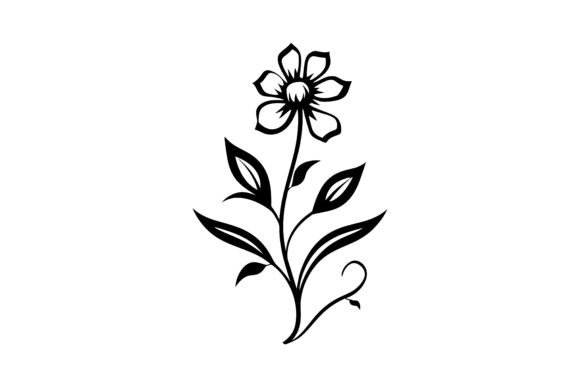
At its core, a minimalist flower silhouette is a two-dimensional representation of botanical elements, reduced to their most basic shapes. Unlike detailed illustrations that may include shading, petal veins, or color gradients, silhouettes rely on contrast and form to convey identity. This reductionist approach offers several distinct advantages in modern design workflows.
The primary appeal lies in versatility. Because these designs are devoid of specific color palettes or intricate internal details, they serve as neutral foundations that can be adapted to various brand identities or artistic themes. Whether used for wedding invitations, corporate branding, or home decor, the decorative floral silhouette SVG provides a sophisticated backdrop that enhances rather than overwhelms the surrounding content.
Technical Considerations: Vector vs. Raster
When selecting digital assets, the file format is often as important as the design itself. High-quality packages typically include multiple formats to accommodate different software and use cases. Understanding the difference between vector and raster files is crucial for making an informed decision.
- Vector Files (EPS, SVG, AI): These files use mathematical equations to define shapes, allowing them to be scaled infinitely without losing quality. An EPS 10 file, for instance, is compatible with Adobe Illustrator and other leading vector software. This makes it ideal for large-format printing, such as banners or wall decals, where pixelation must be avoided.
- Raster Files (JPEG, PNG): These are pixel-based images. While a high-resolution JPEG is suitable for immediate use in web graphics or standard document printing, it cannot be enlarged beyond its original dimensions without degradation. Raster files are best for quick previews or projects where editing is not required.
For seasoned professionals, the inclusion of fully editable design elements in vector format is non-negotiable. It empowers users to tailor the artwork exactly to their vision, adjusting anchor points, modifying curves, or combining elements to create unique compositions.
Benefits of Using Minimalist Silhouettes
Integrating minimalist flower silhouettes into your workflow offers several tangible benefits. First, they promote design clarity. In an era of information overload, clean visuals help communicate messages quickly and effectively. Second, they offer effortless color customization. Since the design is essentially a shape, changing the color scheme is a simple task that allows your unique creative voice to shine without requiring advanced illustration skills.
Furthermore, these assets provide complete control over every detail. Unlike pre-rendered images where lighting and perspective are fixed, silhouettes allow you to manipulate orientation, size, and layering. This flexibility ensures the perfect fit for a diverse range of creative projects, from digital social media posts to physical product packaging.
Evaluating Fit: When to Choose Silhouettes
Determining whether a minimalist silhouette is the right choice depends on the specific requirements of your project. Here are scenarios where this design style is a strong fit:
- Branding and Logo Design: If you need a timeless, elegant icon that works well in monochrome, a floral silhouette is an excellent choice. It scales well for business cards and website headers alike.
- Print-on-Demand Products: For items like t-shirts, mugs, or tote bags, simple silhouettes print cleanly and cost-effectively, especially when using screen printing or vinyl cutting methods.
- Wedding and Event Stationery: The understated elegance of botanical silhouettes complements formal typography, creating a refined aesthetic for invitations and place cards.
- Web and UI Design: Lightweight SVG files load quickly and can be styled via CSS, making them ideal for responsive web design where performance and adaptability are key.
Tradeoffs and Alternatives
While versatile, minimalist silhouettes are not a universal solution. It is important to recognize their limitations. If your project requires a photorealistic representation of a specific flower species, a silhouette may lack the necessary detail. Similarly, if the design intent is to evoke a lush, textured, or painterly feel, a flat silhouette might appear too stark or generic.
In such cases, alternatives may be worth considering:
- Detailed Line Art: Offers more internal detail while maintaining a clean look, suitable for coloring books or intricate patterns.
- Watercolor Illustrations: Provides texture, depth, and organic variation, ideal for projects seeking a soft, hand-painted aesthetic.
- 3D Renders: Best for projects requiring realistic lighting, shadow, and dimensionality.
Additionally, because minimalist designs are popular, there is a risk of overuse. To mitigate this, look for packages that offer unique variations or uncommon botanical species. Customizing the silhouette by combining elements, altering proportions, or integrating typography can help ensure your final design remains distinctive.
Practical Decision-Making Insights
When evaluating a decorative floral silhouette SVG package, consider the following criteria to ensure it meets your needs:
Compatibility: Verify that the included EPS 10 files are compatible with your preferred design software. While Adobe Illustrator is the industry standard, many open-source alternatives like Inkscape also support EPS and SVG formats.
Editability: Ensure the vectors are properly layered and grouped. Poorly constructed files can make editing frustrating and time-consuming. A premium design should allow for easy separation of individual flowers, leaves, and stems.
Licensing: Always review the license agreement. Determine whether the asset is for personal use only or if commercial use is permitted. This is critical if you plan to sell products featuring the design.
Resolution and Quality: For raster images, check the DPI (dots per inch). A minimum of 300 DPI is recommended for print purposes. For vectors, inspect the smoothness of the curves; jagged edges indicate poor construction.
Conclusion
The minimalist flower silhouette design represents a blend of precision, quality, and functional elegance. By offering scalable, editable, and visually versatile assets, these graphic sets empower creators to elevate their projects without getting bogged down in complex illustration tasks. Whether you are a seasoned professional seeking efficiency or a passionate hobbyist looking to enhance your creative toolkit, understanding the strengths and limitations of this style is key to making informed decisions.
Ultimately, the value of these assets lies in their adaptability. They serve as a foundation upon which you can build unique, compelling visuals that resonate with your audience. By carefully selecting high-quality files and applying thoughtful customization, you can bring your creative vision to vibrant life, ensuring your designs meet and exceed your highest standards.